Utility Billing
Washington's 4% Net-Metering Threshold: Check Your Utility Before Trusting a Savings Promise
The state threshold creates room for different utility arrangements. It is not a statewide date when every solar household loses its credits.
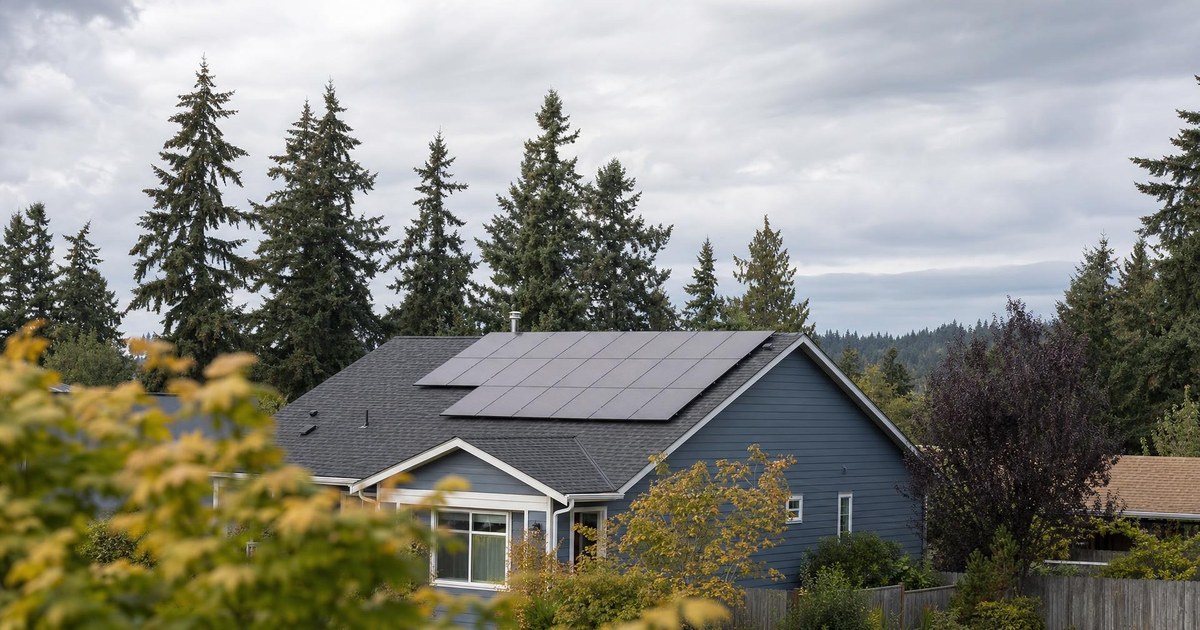
“Net metering is ending” can create pressure to sign a solar contract quickly. “Your credits can never change” can create a different kind of false confidence. In Washington, either statement needs to be tested against the actual utility tariff and the customer's enrollment history.
The state's 4% threshold is important, but it is not an automatic shutoff of retail net metering for every household.
What the threshold measures
RCW 80.60.020 requires utilities to offer qualifying net metering until the earlier of June 30, 2029 or the date cumulative net-metering generating capacity reaches 4% of that utility's 1996 peak demand. It is not 4% of today's customers, rooftop area or annual electricity sales. The law provides a process for different tariffs and protects qualifying earlier customers while their existing interconnection agreements remain valid.
Washington Commerce explains that a utility can continue offering retail net metering after reaching the threshold. Threshold status and the adoption of a successor arrangement are separate facts.
Ask anyone citing the threshold to identify both facts for your provider. A statewide headline cannot establish which tariff applies to your address.
PSE illustrates why the wording matters
Puget Sound Energy's currently posted Schedule 150 availability provision says new or modified applications can qualify until December 31, 2025, or when a replacement schedule is in place, whichever is later. The availability sheet is effective February 29, 2024. The date alone does not mean the program closed at the end of 2025.
PSE's current customer guidance also says Schedule 150 remains available until a new schedule is in place and that customers approved under its terms can remain in the program. It promises notice before closure to new applicants. These are PSE statements checked on October 15, 2026, not a promise about every Washington utility.
For a new proposal, obtain the actual application milestone and the utility's written explanation of eligibility. For an existing installation, keep the approval and system specifications. Do not assume that signing a sales agreement is the event that secures utility treatment.

Existing equipment and changes need separate questions
If you plan to add panels, replace equipment or transfer electric service when a home sells, ask how the change affects the existing interconnection agreement. The important question is whether the documented arrangement continues to apply to the resulting system and account.
Do not let a general statement about grandfathering substitute for an answer about the proposed change. Have the seller identify the tariff provision supporting its claim, and retain the utility response with the revised proposal. This is a paperwork review, not a recommendation to modify equipment.
Look beyond the headline credit
PSE explains that banked net-metering energy credits expire March 31 each year and cannot be cashed out. That makes an annual production surplus different from money available for a loan payment. Its guidance also identifies a basic monthly charge that remains.
Ask the savings model to show the timing of production, consumption and credit use. If the estimate assumes that every surplus carries indefinitely, compare it with the applicable utility rules. A larger projected annual output is not by itself proof of a better financial result.
Keep utility eligibility separate from contract rights
A tariff change or a misunderstood deadline does not automatically cancel a solar contract. Preserve the advertisement, deadline claim, proposal, application receipt, utility approval and signed agreement. Identify the exact promise that influenced the purchase.
Solar Exit's billing-review path and contract-review path provide a place to organize those records. Decisions about the agreement need the full facts, not just the threshold headline.
General consumer information, not legal, tax, mortgage or electrical advice. No particular tariff eligibility, contract remedy or savings outcome is guaranteed.
Sources Reviewed
- RCW 80.60.020Reviewed October 15, 2026Reverified October 15, 2026. Current RCW 80.60.020, relevant 2019 chapter 235 terms: earlier June 30, 2029 or 4% of utility 1996 peak demand; qualifying existing agreement protection. PSE Schedule 150 ninth revision availability sheet effective February 29, 2024 UE-231031; December 31, 2025 or successor schedule, whichever later. Current PSE FAQ confirms continued availability pending successor, March 31 credit expiry, no cash payout and basic charge. No statewide closure or successor price claimed.
- Commerce net-energy-metering guidanceReviewed October 15, 2026Reverified October 15, 2026. Current RCW 80.60.020, relevant 2019 chapter 235 terms: earlier June 30, 2029 or 4% of utility 1996 peak demand; qualifying existing agreement protection. PSE Schedule 150 ninth revision availability sheet effective February 29, 2024 UE-231031; December 31, 2025 or successor schedule, whichever later. Current PSE FAQ confirms continued availability pending successor, March 31 credit expiry, no cash payout and basic charge. No statewide closure or successor price claimed.
- PSE Schedule 150Reviewed October 15, 2026Reverified October 15, 2026. Current RCW 80.60.020, relevant 2019 chapter 235 terms: earlier June 30, 2029 or 4% of utility 1996 peak demand; qualifying existing agreement protection. PSE Schedule 150 ninth revision availability sheet effective February 29, 2024 UE-231031; December 31, 2025 or successor schedule, whichever later. Current PSE FAQ confirms continued availability pending successor, March 31 credit expiry, no cash payout and basic charge. No statewide closure or successor price claimed.
- PSE FAQReviewed October 15, 2026Reverified October 15, 2026. Current RCW 80.60.020, relevant 2019 chapter 235 terms: earlier June 30, 2029 or 4% of utility 1996 peak demand; qualifying existing agreement protection. PSE Schedule 150 ninth revision availability sheet effective February 29, 2024 UE-231031; December 31, 2025 or successor schedule, whichever later. Current PSE FAQ confirms continued availability pending successor, March 31 credit expiry, no cash payout and basic charge. No statewide closure or successor price claimed.